
Why Recycle E-Waste? The Case Against Landfill
Why Recycle E-Waste
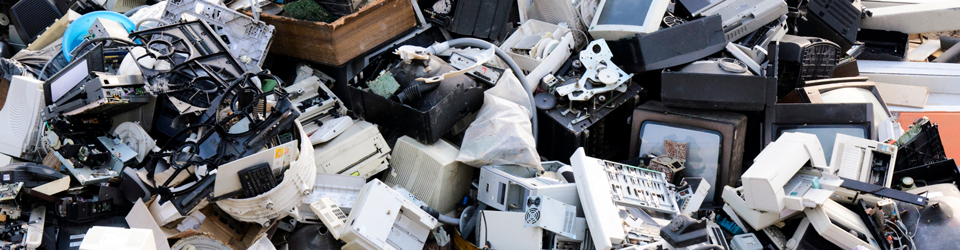
The case for electronic waste recycling is not sentimental. Every year up to 140,000 tonnes of electronic waste are disposed of in Canadian landfills, and electronic waste is the fastest-growing waste the world creates. Those two facts together describe a problem that compounds annually unless the material is captured.
Landfill is the most expensive option
Burying a device looks like the cheap answer because the cost is deferred and invisible. It is not. A landfilled phone or laptop takes its recoverable elements with it, so the same materials must be mined, refined and shipped again to build the next device. Landfill also consumes space and containment that will be managed for decades. E-waste disposal that ends in a hole in the ground converts an asset into a liability in a single step.
Growth is the real pressure
Because electronic waste is the fastest-growing waste stream the world creates, the volume arriving each year is larger than the year before. Shorter hardware cycles, cheaper devices and faster business refreshes all push in the same direction. A recycling route that handles today's volume but cannot scale is not a solution; it is a delay. Electronics recycling has to be built as industrial infrastructure, not as a seasonal collection drive.
Recovery beats destruction
Urban mining takes discarded devices and breaks them down into recoverable, usable materials. That is the alternative to landfill: a device enters as a sealed, obsolete product and leaves as sorted fractions that manufacturers can buy. Nothing about this requires the owner to accept a loss, which is the point of our devices price list — we pay for the hardware we take in, so recycling and selling are the same transaction.
There is also a simple ownership argument. The organisation that bought the hardware paid for the materials inside it. Sending those materials to landfill writes off an asset that still has a buyer, which is a decision no business would make knowingly about any other input it had already paid for.
Why it matters who handles it
Not every route out of your storage cupboard is a recycling route. Material that is exported, stripped informally or dumped does not become feedstock. Klean Recycling recycles e-waste — work that has been featured in a CNN video — and is wholly owned by Klean Industries, a resource-recovery group that builds and operates waste-conversion facilities. Choosing a processor with engineering depth is how you make sure the elements in your devices actually re-enter the supply chain rather than disappearing from it.
Learn More:
Stop landfilling value you have already paid for
Up to 140,000 tonnes of electronic waste are disposed of in Canadian landfills every year, while urban mining breaks the same devices down into recoverable, usable materials.
Klean Recycling recycles e-waste — featured in a CNN video — and is wholly owned by Klean Industries.
Want your retired devices recovered instead of buried?